
Fixing Problems Before Systems Fail Completely
AC repair in Manchester for air conditioners blowing warm air, leaking refrigerant, or cycling on and off repeatedly
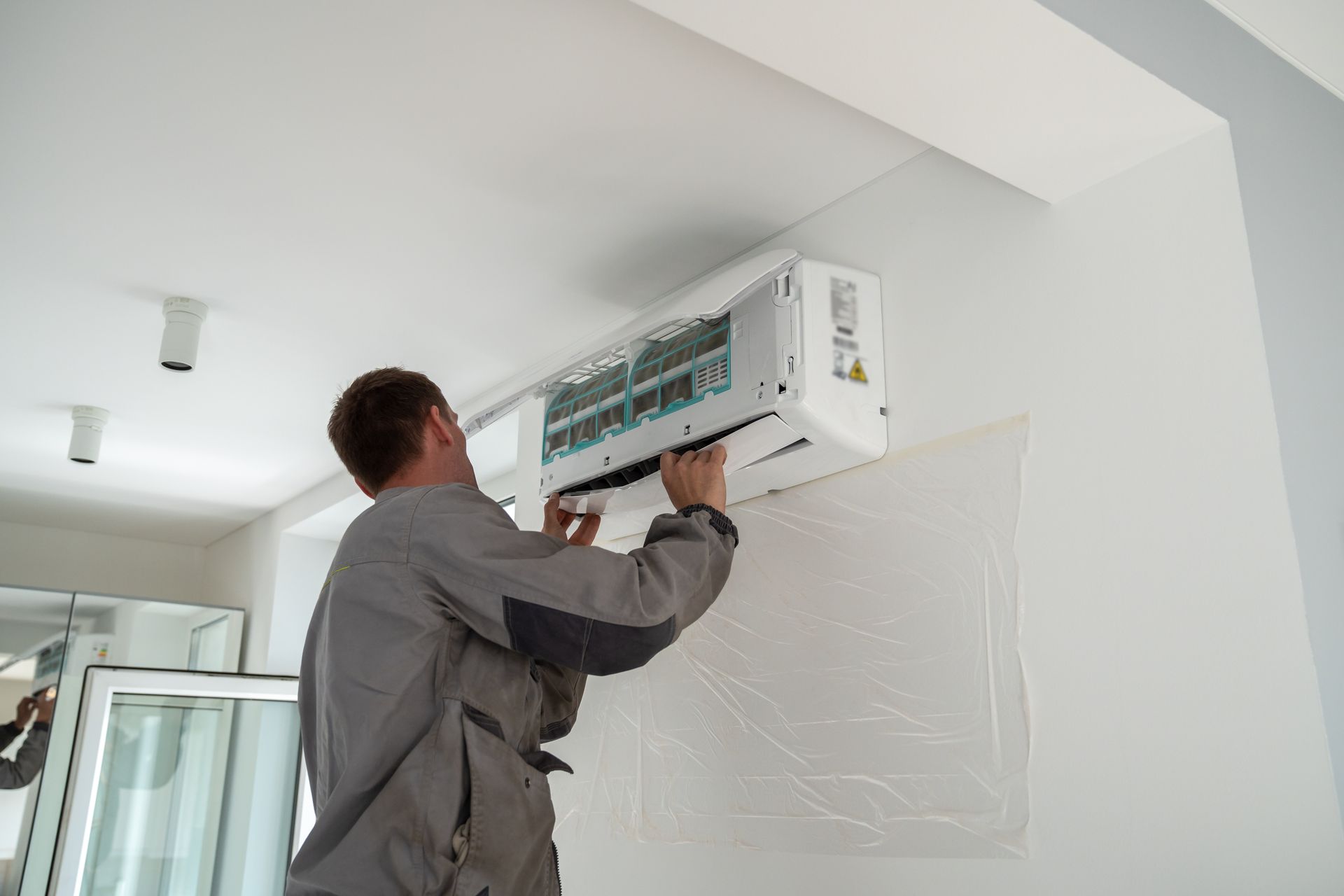
When your air conditioner ceases to cool efficiently, a variety of component failures could be at fault. Pinpointing the exact issue is crucial to determine if a targeted repair can restore full functionality or if recurring failures suggest the system has reached the end of its operational lifespan. At Lamarche Heating & Air, we diagnose and repair air conditioning issues in Manchester, Concord, and Hooksett by assessing refrigerant pressures, measuring airflow and temperature drops, inspecting electrical components, and ensuring proper condensate drainage. Some issues, such as clogged filters or tripped breakers, can be resolved swiftly, while more complex problems—like compressor breakdowns or significant refrigerant leaks—may necessitate component replacement or a comprehensive evaluation of the entire system.
Repair processes entail isolating the faulty component, checking the availability and cost-effectiveness of replacement parts, and addressing any underlying issues that may have led to the failure. For refrigerant leaks, it’s essential to locate the leak source, repair or replace the damaged line or coil, evacuate the system, and recharge it to precise specifications. Electrical failures might involve replacing contactors, capacitors, or control boards, followed by verifying the correct voltage and amperage across all connections.
Arrange a diagnostic service call to determine the specific failure point and assess repair options based on the system's age and overall condition.
Common AC Problems That Require Professional Repair
Air conditioners blowing warm air typically suffer from refrigerant loss, failed compressors, or stuck reversing valves that prevent the refrigeration cycle from operating correctly. Refrigerant leaks develop at coil joints, line set connections, or service valves, and the system gradually loses cooling capacity as refrigerant escapes. Frozen evaporator coils result from restricted airflow due to dirty filters or blower issues, or from low refrigerant charge that drops coil temperature below freezing and causes ice buildup that blocks airflow entirely.
Thermostat malfunctions prevent the system from receiving accurate temperature readings or proper on/off signals, causing erratic operation or failure to start. Clogged condensate drains trigger safety switches that shut the system down to prevent water damage, a common issue in humid New England summers where dehumidification produces significant drainage. Electrical and control board issues interrupt power to compressors or fans, and these failures often show up as clicking sounds without equipment startup or systems that run briefly then shut off.
Compressor failures represent the most significant repair cost and often occur in systems nearing the end of their lifespan, especially if the unit has experienced repeated refrigerant loss or electrical issues. Weak airflow from vents indicates blower motor problems, duct leaks, or restrictions in return air pathways. AC short cycling—running for only a few minutes before shutting off—suggests oversized equipment, thermostat placement issues, or low refrigerant charge. Strange noises like grinding, squealing, or banging point to failing motors, loose components, or debris in the outdoor unit. Odors, particularly musty smells, indicate mold growth in ductwork or on the evaporator coil due to persistent moisture and inadequate drainage.
Answers to Frequent AC Repair Questions
Property owners in Manchester, Concord, and Hooksett often ask about repair timelines, costs, and when replacement makes more sense than continued fixes.
What causes an air conditioner to blow warm air suddenly?
Refrigerant leaks, compressor failures, or reversing valve malfunctions prevent the refrigeration cycle from operating. A technician measures refrigerant pressures and temperature differential to identify which component has failed.
How do you find refrigerant leaks in an AC system?
Leak detection uses electronic sensors, ultraviolet dye, or soap bubble testing at common failure points including coil joints, service valves, and line set connections. Once located, the leak is repaired, the system is evacuated to remove contaminants, and refrigerant is recharged to manufacturer specifications.
Why does the system freeze up even when it's hot outside?
Frozen coils result from restricted airflow due to dirty filters or blower issues, or from low refrigerant charge that drops evaporator temperature below freezing. Ice buildup blocks airflow completely, forcing the system to shut down until the coil thaws.
When does a repair cost justify replacing the entire system instead?
If repair costs exceed fifty percent of replacement cost, or if the system is more than ten years old and requires compressor or coil replacement, new equipment typically provides better long-term value. Homes around Concord and Hooksett with systems still using R-22 refrigerant face escalating repair costs as that refrigerant becomes scarcer.
What happens during a diagnostic service call?
The technician tests refrigerant pressures, measures airflow and temperature drop, inspects electrical connections and voltage levels, checks condensate drainage, and examines both indoor and outdoor components for wear or damage. This process identifies the specific failure and determines whether repair or replacement is the appropriate response.
Lamarche Heating & Air provides air conditioning repair throughout Manchester, Concord, and Hooksett with component-level diagnostics and transparent cost estimates that compare repair value against replacement options. Request a service appointment to address cooling failures, performance issues, or systems showing signs of impending breakdown before peak summer heat arrives.