Heating Systems That Function Through Winter Months
Oil Heating in Service tab for homes requiring consistent warmth during cold-weather periods
Oil heating systems operate by burning fuel oil to generate heat that circulates through radiators, baseboard units, or forced-air ducts. Lamarche Heating & Air provides oil heating services in Service tab for properties where natural gas lines aren't available or where existing oil infrastructure already supports the heating system. Homeowners who notice uneven heating, frequent system cycling, or rising fuel consumption often need professional evaluation of burner efficiency and heat exchanger condition.
The service addresses inefficient combustion, clogged nozzles, and fuel delivery problems that reduce heat output and increase operating costs. Oil furnaces and boilers require regular burner adjustments to maintain proper air-to-fuel ratios, which directly affect how much heat each gallon of oil produces. When combustion efficiency drops, you burn more fuel to achieve the same indoor temperature.
Schedule a system inspection to assess burner performance and combustion efficiency levels.
How Oil Heating Systems Maintain Indoor Temperature
Oil heating involves pumping fuel from a storage tank through a filter and into a burner chamber where it atomizes into a fine mist and ignites. The flame heats a metal chamber or coil, and that heat transfers either to air flowing over the chamber in forced-air systems or to water circulating through boiler coils in hydronic systems. Proper nozzle size, air shutter settings, and draft control determine whether combustion is clean and complete.
After service, you'll notice the system reaches your set temperature without running excessively long cycles. The burner flame burns steady and clean rather than producing soot or smoke, and the heat distribution throughout your home becomes more uniform. Rooms that previously felt cooler receive adequate warmth as the system delivers consistent heat output across all zones or registers.
Oil heating systems require annual nozzle replacement, filter changes, and combustion testing because fuel oil contains impurities that accumulate over time. The service also includes inspecting the heat exchanger for cracks, checking flue passages for blockages, and verifying that safety controls shut the system down if flame failure or overheating occurs. These steps prevent carbon monoxide risks and extend equipment lifespan.
What Homeowners Ask About Oil Heating Services
Property owners in Service tab often have questions about maintaining oil heating systems and recognizing when professional service is necessary.
What causes an oil heating system to produce soot or smoke?
Incomplete combustion from incorrect air-to-fuel ratios creates soot that coats the heat exchanger and reduces efficiency. A technician adjusts the air shutter and replaces the nozzle to restore clean burning.
How does combustion efficiency affect fuel consumption?
Systems operating below optimal efficiency waste fuel by sending unburned oil and excess heat up the flue. Efficiency testing measures how much heat actually enters your home versus how much escapes through the chimney.
When should the oil filter be replaced?
Filters require replacement at least annually before the heating season begins, though properties using higher-sulfur fuel or older storage tanks may need more frequent changes to prevent sediment from reaching the burner nozzle.
Why does the system shut off before reaching the set temperature?
A clogged nozzle, failed flame sensor, or restricted airflow can cause short cycling where the burner ignites briefly and then stops. The safety controls are designed to prevent unsafe operation when combustion conditions aren't correct.
What maintenance does an oil storage tank need?
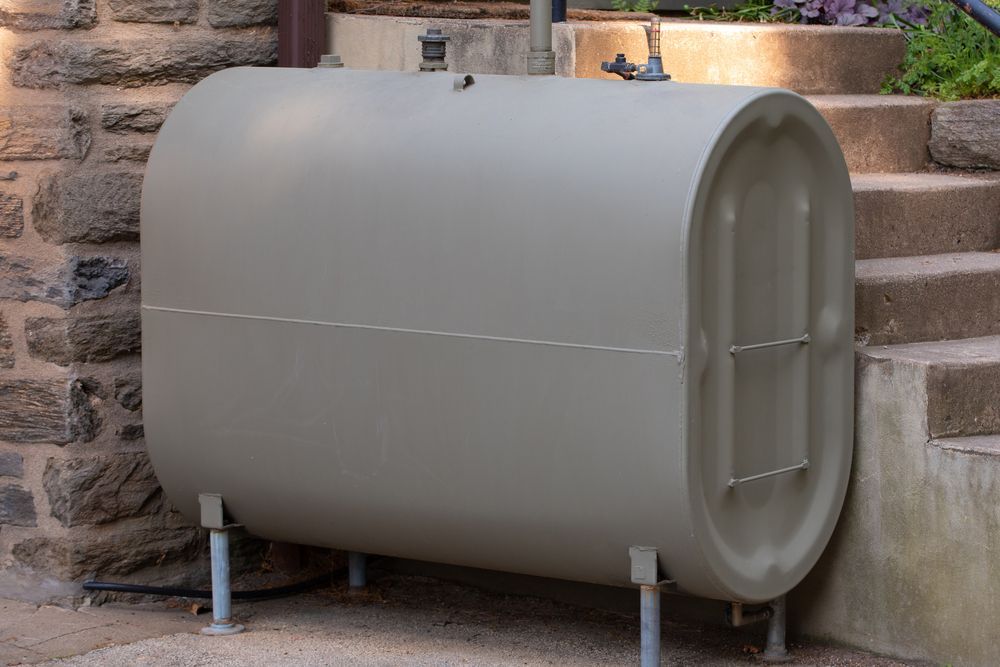
Above-ground tanks should be inspected for rust and leaks annually, while underground tanks may require periodic integrity testing to detect corrosion that could lead to soil contamination or fuel loss.
Lamarche Heating & Air evaluates oil heating systems to identify inefficiencies and safety concerns before they result in equipment failure or excessive fuel costs. Arrange a pre-season tune-up to verify your system is ready for the coldest months ahead.